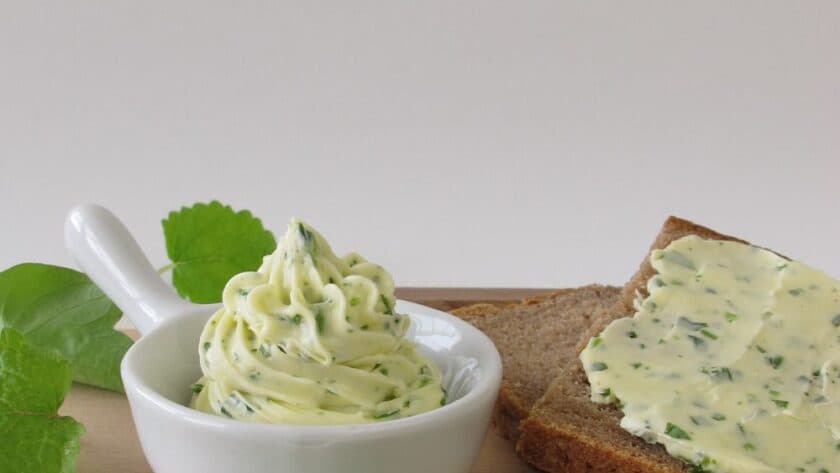
The Culinary Secret Weapon You Didn't Know You Needed
Imagine elevating an ordinary piece of grilled fish, a simple roasted vegetable, or even a humble slice of toast into an extraordinary culinary experience. This isn't achieved with complex sauces or exotic ingredients, but with a simple, yet incredibly powerful, kitchen staple: herb butter. Also known as compound butter, this flavorful concoction is a game-changer for home cooks and seasoned chefs alike, offering an effortless way to inject richness, aroma, and depth into virtually any dish.
The beauty of compound butter lies in its simplicity and versatility. By blending softened butter with fresh or dried herbs and other aromatics, you create a customizable flavor bomb that can transform everyday meals into memorable feasts. It's a secret weapon that adds that "something special" with minimal effort, making you look like a culinary genius.
What Exactly is Compound Butter, and Why Should You Use It?
At its core, herb butter is simply butter that has been "compounded" or mixed with various flavorings, most commonly fresh or dried herbs. While plain butter offers a rich, creamy base, compounding it with herbs like parsley, chives, rosemary, or thyme takes its flavor profile to a whole new level. These flavored butters are typically formed into logs, chilled until firm, and then sliced into elegant pats for serving or cooking.
So, why integrate this into your cooking repertoire? The reasons are plentiful:
- Instant Flavor Punch: A small dollop of herb butter can drastically enhance the taste of a dish, providing a nuanced burst of flavor that complements and elevates the main ingredients.
- Effortless Elegance: Serving beautifully sliced pats of homemade herb butter instantly adds a touch of sophistication to any meal, impressing guests with little extra work.
- Unmatched Versatility: From savory to subtly sweet applications, the possibilities for flavor combinations and uses are almost endless.
- Convenience and Make-Ahead Magic: Prepared in advance, compound butter can be stored in the refrigerator or freezer, ready to deploy whenever you need a flavor boost.
Crafting Your Own Herb Butter: A Step-by-Step Guide
Creating your own batch of homemade herb butter is surprisingly simple and immensely rewarding. It allows you to control the quality of ingredients and customize flavors to your heart's content. Let's walk through the basic steps:
Ingredients You'll Need:
- Butter: Start with a high-quality butter. Both salted and unsalted varieties work. If using unsalted, you can always add a pinch of salt later to taste, especially for dishes like steak where salt is crucial. Let it soften to room temperature, which makes it easy to mix. This can take several hours on the counter or a few short bursts in the microwave at a very low power setting (around 10% power or using a softening function) until it's pliable and easy to stir.
- Herbs: Fresh herbs are often preferred for their vibrant flavor and aroma, but dried herbs can also be used, especially in heartier applications. If using fresh, remember to rinse them thoroughly and allow them to air dry completely before chopping to prevent water from diluting your butter and affecting its shelf life.
- Optional Flavor Enhancers: Minced garlic, bright lemon zest, finely chopped shallots, freshly ground black pepper, a pinch of chili flakes, or a dash of your favorite spice blend can take your herb butter to the next level. Think about what flavors would complement your intended dishes.
The Simple Process:
- Prepare Your Herbs: If using larger-leaf fresh herbs like basil, mint, or sage, employ the "chiffonade" technique. Stack the leaves, roll them tightly like a cigar, and then slice thinly across the roll to create long, delicate strands. For smaller herbs like thyme or oregano, or dried varieties, simply chop finely.
- Combine Ingredients: In a medium bowl, add your softened butter. Then, incorporate your prepared herbs and any other chosen flavorings (garlic, lemon zest, salt, pepper). Use a spoon or spatula to mix everything together thoroughly until uniformly combined. You want to ensure the flavors are evenly distributed throughout the butter for consistent taste.
- Form and Chill: Spoon the butter mixture onto a piece of wax paper (about 6-8 inches wide). Gently form the butter into a log shape, roughly 1 to 1.5 inches in diameter. Roll the wax paper around the log, twisting the ends firmly to seal it tightly. Alternatively, you can press the butter into a decorative mold or a shallow bowl for individual pats.
- Chill Until Firm: Place your formed butter log or mold into the refrigerator. Allow it to chill for at least 30 minutes to an hour, or until it becomes firm. This makes it easy to slice into neat pats that hold their shape beautifully.
For more in-depth guidance on mastering various flavor combinations and techniques, explore our guide on Master Homemade Herb Butter: Easy Steps & Flavor Secrets.
Unleashing the Flavor: Versatile Uses of Herb Butter
Once you have a batch of exquisite herb butter ready, the culinary world is your oyster. Its applications are incredibly diverse, limited only by your imagination. Here are some popular and innovative ways to incorporate this flavorful delight into your meals:
Enhancing Meats and Seafood:
- Steak and Grilled Meats: A classic pairing! A melting pat of herb butter (think garlic-rosemary or chive-parsley) on a hot, freshly grilled or pan-seared steak, lamb chop, pork tenderloin, or chicken breast creates an instant, luxurious pan sauce as it melts. It adds incredible richness, a fragrant finish, and helps retain moisture.
- Roast Poultry: Tuck pats of herb butter under the skin of a chicken or turkey before roasting for unbelievably juicy meat and crispy, flavorful skin. Sage and thyme butter, perhaps with a hint of orange zest, are excellent choices here.
- Fish and Shellfish: Lemon-dill or parsley-chive butter melts beautifully over baked salmon, pan-fried cod, grilled halibut, or steamed shrimp, adding bright, fresh notes without overpowering the delicate seafood.
Elevating Vegetables and Sides:
- Corn on the Cob: Forget plain butter! Slathering grilled or boiled corn with a cilantro-lime, smoked paprika, or chili-garlic herb butter is a game-changer that introduces complex flavors.
- Roasted or Steamed Vegetables: Toss roasted carrots, asparagus, green beans, broccoli, or potatoes with a dollop of melting herb butter after cooking for an explosion of flavor. Thyme-garlic butter works wonders with root vegetables, while a mint-parsley butter can freshen up peas or zucchini.
- Mashed Potatoes: Stirring in a generous amount of chive-garlic or roasted garlic herb butter into mashed potatoes adds an incomparable depth and creaminess, transforming a simple side into a star.
- Garlic Bread: Homemade garlic bread reaches new heights when you swap regular garlic butter for a robust garlic-parsley, oregano, or even a sun-dried tomato and basil herb butter spread generously onto crusty bread and toasted.
Beyond the Main Course:
- Breakfast Boost: Swirl a small amount into scrambled eggs, omelets, or frittatas for an instant savory upgrade. Alternatively, spread it onto toast, bagels, or English muffins for a gourmet twist. A savory herb butter on a fried egg sandwich? Divine!
- Pasta and Grains: Finish a simple pasta dish like spaghetti aglio e olio, or a quick weeknight pasta with grilled vegetables, with a pat of melting herb butter for a quick, flavorful sauce. It also works beautifully tossed with warm rice, quinoa, or couscous.
- Breads and Spreads: Offer an assortment of herb butters alongside a bread basket on a buffet table or as an appetizer for guests. Consider a robust roasted garlic and rosemary butter, or a vibrant sun-dried tomato and basil blend.
For more inspiration on how versatile this ingredient can be, especially if you're looking for specific flavor profiles used by culinary greats, take a look at Ina Garten's Herb Butter: Elevate Dishes with Simple Flavor, which offers a fantastic foundation for elevating countless dishes.
Storage and Creative Combinations for Your Herb Butter
The beauty of homemade herb butter extends to its excellent shelf life, making it a perfect make-ahead condiment for busy cooks.
Storing Your Culinary Treasure:
- Refrigeration: Your herb butter logs or molded pats can be stored in the refrigerator for several days, typically up to a week. For best results, keep them in a sealed container or wrapped tightly in wax paper and then placed in an additional plastic zipper-top bag to prevent any odors from permeating and to maintain freshness.
- Freezing: For longer storage, herb butter freezes beautifully for up to two months. Simply wrap the logs tightly in plastic wrap first, then a layer of foil, or place individual pats in an airtight freezer-safe container. This multi-layer wrapping helps prevent freezer burn. When ready to use, allow it to thaw in the refrigerator for a few hours before incorporating it into your cooking.
Diving Deeper into Creative Combinations:
While classic herb blends are always a hit, don't shy away from experimenting with unique flavor profiles:
- Spicy Kick: Add finely minced jalapeño, serrano chili, or a pinch of red pepper flakes for a herb butter with a fiery edge, perfect for grilled chicken, fish tacos, or corn on the cob.
- Citrus Burst: Beyond lemon zest, consider lime or orange zest with corresponding herbs like cilantro or tarragon for bright, aromatic butters ideal for fish, poultry, or roasted root vegetables.
- Umami Richness: Incorporate finely grated Parmesan cheese, a touch of anchovy paste (it melts away leaving just savory depth!), sun-dried tomato paste, or even dried mushroom powder for a profound umami boost that works well with red meats or hearty vegetables.
- Sweet & Savory: While typically savory, a drizzle of honey or maple syrup with aromatic herbs like rosemary, sage, or thyme can create a unique compound butter that works beautifully with roasted squash, sweet potatoes, or even on a cheese board.
- Global Flavors: Think about spice blends from around the world. A curry powder and cilantro butter for Indian-inspired dishes, or a chili-garlic-ginger butter for Asian cuisine offers exciting new dimensions.
Remember, the key is to balance flavors. Taste as you go, and adjust herbs, salt, and other seasonings until you achieve your desired profile. A small pinch of sugar or a dash of acid (like a squeeze of lemon juice) can also brighten and balance complex flavors.
Conclusion: The Humble Butter, Transformed
Herb butter, or compound butter, is far more than just flavored fat; it's a testament to how simple ingredients, thoughtfully combined, can utterly transform a meal. Easy to make, incredibly versatile, and a fantastic tool for meal prepping, it empowers home cooks to infuse everyday dishes with gourmet flair. Whether you're enhancing a juicy steak, brightening roasted vegetables, elevating a simple piece of toast, or creating a show-stopping appetizer, embracing the world of compound butter will undoubtedly elevate your culinary creations and delight your palate. So, grab some quality butter, select your favorite herbs, and start compounding your way to more flavorful meals today!
