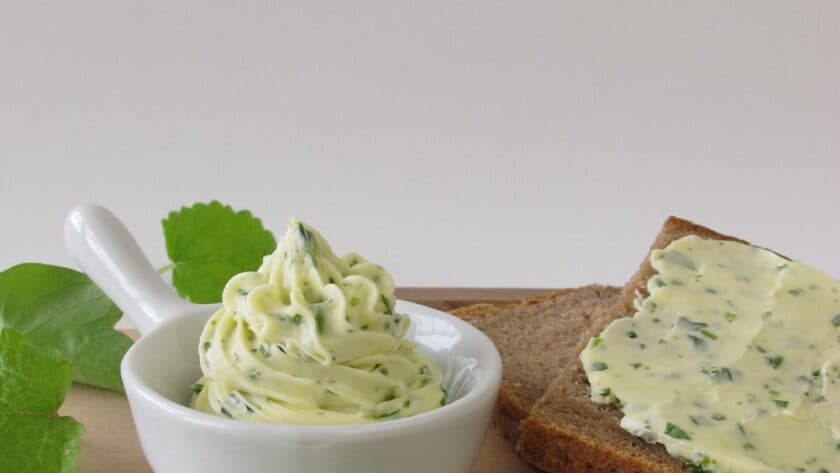
In the world of home cooking, few names evoke a sense of approachable elegance and delicious simplicity quite like Ina Garten. The Barefoot Contessa has a knack for transforming everyday ingredients into extraordinary meals, and her approach to homemade herb butter is no exception. More than just a condiment, Ina Garten's herb butter is a culinary secret weapon, designed to infuse richness and vibrant flavor into a multitude of dishes with minimal effort. It’s a testament to the power of quality ingredients and a simple technique – proving that often, the most impactful flavors come from the most straightforward preparations.
Often referred to as compound butter, this flavorful concoction is essentially butter enriched with fresh herbs, aromatics, and sometimes citrus zest. While the concept might sound gourmet, its creation is surprisingly easy, making it an accessible luxury for any home cook looking to elevate their culinary game. Whether you're a seasoned chef or just starting your journey in the kitchen, understanding how to make and utilize this versatile ingredient will unlock a new dimension of flavor for your meals.
The Enduring Appeal of Ina Garten's Herb Butter
Ina Garten's recipes consistently resonate with home cooks because they prioritize fresh, high-quality ingredients and straightforward instructions, yielding consistently delicious results. Her herb butter recipe embodies this philosophy perfectly. It’s not just about mixing butter and herbs; it’s about creating a harmonious blend that enhances, rather than overwhelms, the dishes it accompanies. The beauty lies in its simplicity and the profound impact it has on flavor.
At its core, Ina's herb butter typically features softened, unsalted butter combined with a generous medley of fresh herbs such as parsley, chives, thyme, and rosemary. A touch of minced garlic and a bright hint of lemon zest often complete the flavor profile, adding layers of complexity that transform a humble pat of butter into a powerhouse of taste. The combination of creamy butter with the fresh, aromatic punch of herbs, the pungent warmth of garlic, and the zesty brightness of lemon creates a blend that melts beautifully into warm foods, releasing its fragrant magic.
One of the primary reasons to embrace this homemade delight is its ability to instantly upgrade almost any savory dish. A simple dollop can transform a plain grilled steak, add depth to roasted vegetables, or bring a vibrant finish to pan-seared fish. It’s the kind of secret ingredient that makes guests wonder what your culinary trick is, when in reality, it’s just good butter and fresh herbs working in perfect synergy.
What Exactly is Herb Butter (Compound Butter)?
Before diving into the specifics of Ina's rendition, it's helpful to understand the fundamental concept of compound butter. Simply put, herb butter is butter that has been "compounded" or mixed with other ingredients to infuse it with additional flavors. This practice dates back centuries as a way to preserve and enhance the taste of butter, adding zest and depth to dishes that might otherwise be mundane.
The beauty of compound butter lies in its adaptability. While herbs are a popular addition, compound butters can be made with a vast array of ingredients, including spices, citrus zests, minced shallots, capers, sun-dried tomatoes, or even a splash of wine or spirits. The process involves softening butter to a pliable consistency, then thoroughly mixing in your chosen flavorings. Once combined, the butter is typically re-formed – often into a log, chilled until firm, and then sliced into individual pats for serving or cooking.
When selecting butter, both salted and unsalted varieties have their place. For a general-purpose herb butter where you control the seasoning, unsalted butter is often preferred. This allows you to add salt to taste, ensuring it complements the specific dish you're preparing. However, for certain applications, like an herb butter intended for steak or garlic bread, a good quality salted butter might be perfectly suitable, adding a convenient layer of seasoning from the start.
Crafting Your Own Ina-Inspired Herb Butter: A Step-by-Step Guide
Making herb butter at home is surprisingly simple, yet yields incredibly rewarding results. Here's how to create a batch inspired by Ina Garten's elegant simplicity:
Essential Ingredients:
- Good Quality Butter: Start with fresh, unsalted butter. European-style butters with higher fat content can offer an even richer texture and flavor.
- Fresh Herbs: A mix of classic culinary herbs works beautifully. Think finely chopped parsley, chives, thyme leaves, and rosemary. Ensure they are thoroughly rinsed and completely dry before chopping.
- Garlic: Minced very finely, or even grated, for even distribution.
- Lemon Zest: The finely grated outer peel of a lemon provides a bright, aromatic lift without adding acidity.
- Salt and Freshly Ground Black Pepper: To taste.
The Process:
- Soften the Butter: This is crucial. The butter needs to be at room temperature – soft enough to easily stir, but not melted. You can leave it on the counter for a few hours, or gently soften it in the microwave at 10% power for short bursts, checking frequently.
- Prepare Your Herbs: If using larger leaf herbs like parsley or basil, consider employing the "chiffonade" technique. Stack several leaves, roll them tightly into a cigar shape, and then slice across the roll to create fine ribbons. For smaller herbs like thyme or rosemary, simply strip the leaves from the woody stems and chop finely. Remember, fresh herbs are always preferred for their vibrant flavor and color. If using dried herbs, reduce the quantity as their flavor is more concentrated, and rehydrate them slightly by mixing them with a tiny bit of olive oil before adding to the butter.
- Combine Ingredients: In a medium bowl, add the softened butter, finely chopped herbs, minced garlic, lemon zest, salt, and pepper. Using a spatula or wooden spoon, mix everything together thoroughly until the herbs and seasonings are evenly distributed throughout the butter.
- Form and Chill: This is where your herb butter takes its final shape.
- Log Method: Spoon the mixture onto a piece of wax paper (about 6-8 inches wide). Using the wax paper, gently roll and shape the butter into a log, about 1-1.5 inches in diameter. Twist the ends of the wax paper to seal the log tightly. This is ideal for slicing into elegant pats.
- Molded Pats: Alternatively, you can press the butter into small molds (like candy molds or mini muffin tins) for individual servings.
- Bowl Method: For a more rustic approach, simply spoon the mixture into a shallow bowl or ramekin.
- Chill: Place the formed herb butter in the refrigerator for at least 1-2 hours, or until firm. This allows the flavors to meld and makes it easy to slice or serve.
For more detailed insights into perfecting your homemade compound butter, be sure to explore our article on Master Homemade Herb Butter: Easy Steps & Flavor Secrets.
Beyond the Basic: Creative Uses and Flavor Pairings
The true magic of Ina Garten's herb butter, and compound butter in general, lies in its incredible versatility. Once you have a batch on hand, the possibilities for enhancing your meals are endless:
- Grilled Meats: A classic pairing! Place a pat of herb butter on a freshly grilled steak, chicken breast, or pork chop. As it melts, it bastes the meat, adding a rich, aromatic finish.
- Roasted Vegetables: Toss roasted potatoes, carrots, asparagus, or corn on the cob with a dollop of melting herb butter for an instant flavor boost.
- Fish and Seafood: Melt it over pan-seared salmon, baked cod, or grilled shrimp to add brightness and depth. The lemon zest in Ina's recipe is particularly complementary here.
- Breads: Transform a simple baguette into gourmet garlic bread by spreading it generously with herb butter before toasting. It's also delightful on warm rolls or even toast points.
- Pasta and Grains: Stir a tablespoon into freshly cooked pasta, risotto, or quinoa for a quick, flavorful sauce.
- Eggs: Whisk a small amount into scrambled eggs before cooking, or melt a pat over a fried egg for a surprisingly delicious twist.
- Soups and Sauces: Swirl a knob into a bowl of hot soup or use it to finish a pan sauce for added richness and herbal notes.
Don't be afraid to experiment with different herb combinations. A Mediterranean blend might include oregano, basil, and marjoram, while a more robust choice could feature sage and rosemary. Consider the main ingredient you plan to pair it with and choose herbs that complement those flavors. For instance, dill and chives are fantastic with fish, while thyme and rosemary shine with poultry or root vegetables.
Storing Your Homemade Herb Butter
One of the practical benefits of making herb butter is its excellent shelf life. Properly stored, it can be a convenient flavor enhancer ready whenever inspiration strikes:
- Refrigeration: In a sealed container or wrapped tightly in wax paper and then in plastic wrap or a zip-top bag, homemade herb butter will last for several days in the refrigerator, typically up to a week.
- Freezing: For longer storage, herb butter freezes beautifully. Roll it into a log, wrap it tightly in wax paper, then aluminum foil, and finally place it in a freezer-safe bag. It can be stored in the freezer for up to two months. When ready to use, simply thaw the desired amount in the refrigerator before serving or cooking. You can even slice off frozen pats and add them directly to hot food, where they will melt and distribute their flavor.
The ability to prepare herb butter in advance and store it makes it an ideal component for meal prepping or entertaining. Imagine having perfectly portioned pats ready to go for your next dinner party!
Ina Garten's approach to herb butter epitomizes the joy of simple, quality ingredients making a profound impact. This versatile compound butter is more than just a spread; it's a testament to how a little forethought and fresh flavors can elevate everyday dishes into something truly special. Whether you're dressing up a weeknight meal or adding a gourmet touch to a special occasion, embracing the art of herb butter will undoubtedly become a treasured trick in your culinary repertoire. So, soften that butter, gather your favorite herbs, and prepare to infuse your cooking with a delicious new dimension of flavor.
